
Written by Will Hinton
Superhero films have dipped their toes into horror in the past, though never with full commitment. Constantine, The New Mutants, and Doctor Strange in Multiverse of Madness each attempted to balance comic-book action and the dread of horror. That was until Clayface.
James Watkins’ Clayface marks the character’s second outing in the new DC Universe, following an appearance in Creature Commandos, and the live-action feature-film debut for any iteration of the character. Centred on Matt Hagen, the film charts his rising acclaim in Hollywood, until a brutal gang attack forces him to take a dangerous experimental treatment. Hagen’s version of Clayface was made famous by Batman: The Animated Series and is here given a full-on horror makeover.
Grisly, brutal and surprisingly emotional, Clayface does a stellar job at wearing many different hats. Balancing Hagen’s cinematic background with his slow descent into monstrosity, this feels like a film that understands what it is. In an era of blockbusters obscuring their true nature for mass appeal, Clayface isn’t afraid to lean into it, though still remains accessible to a general audience. Rather than allowing itself to become just a horror film though, Clayface maintains its superhero roots, with an exceptional third act fight that is electrifying on the big screen.
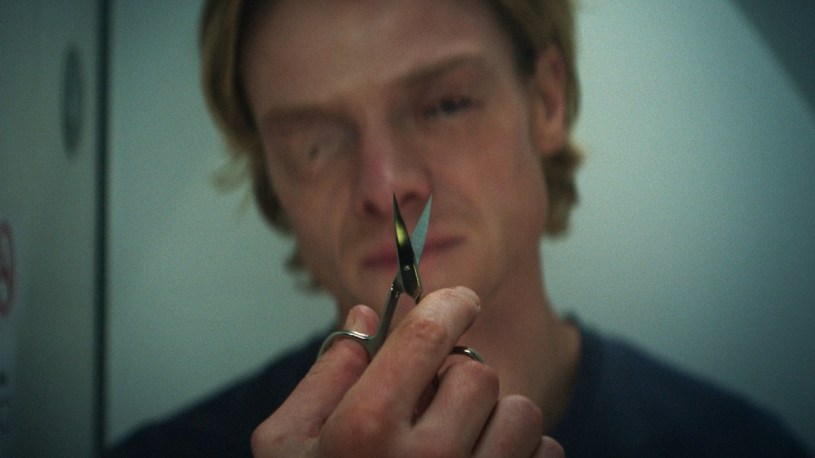
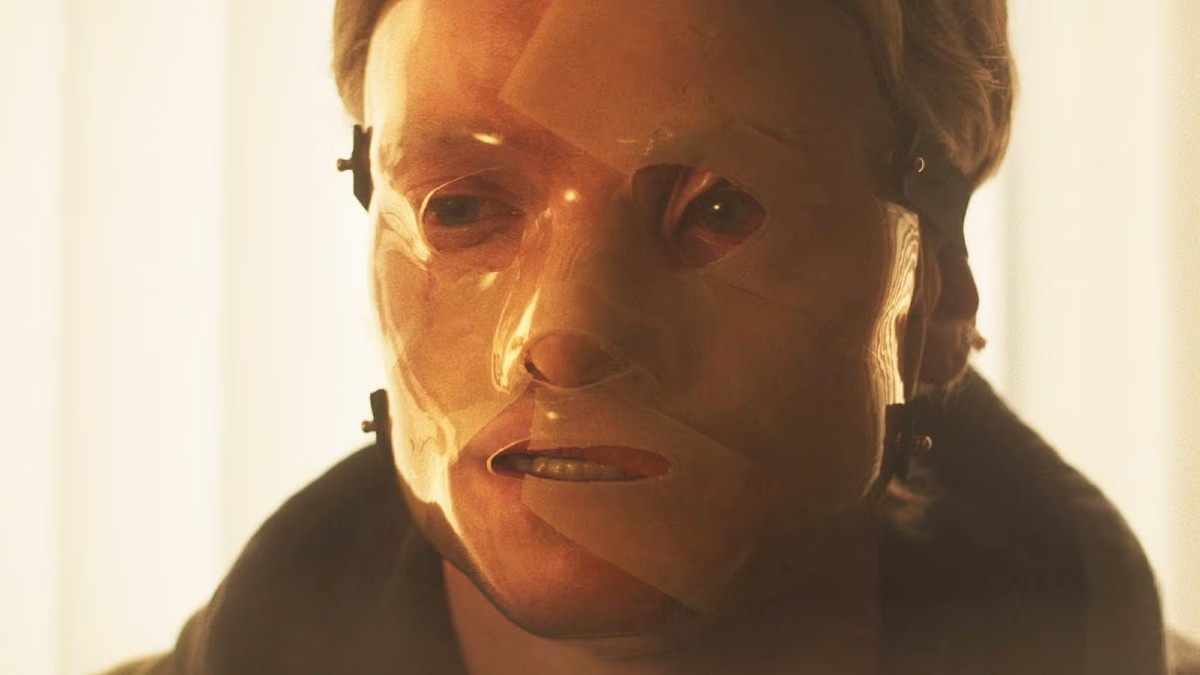
With some striking practical and visual effects, Watkins demonstrates an understanding of how to push an audience to the edge of their comfort zones without resorting to Terrifier–esque gross-outs. Don’t get it twisted: this film certainly has its share of gross moments. Some facial transformations look somewhat unnatural, though this is outweighed by the supremely inventive CGI kills.
Clayface’s most tense moments are enhanced by the score from Academy Award winner Volker Bertelmann. Though silence is in many ways the tension’s best ally, with quiet moments of security before a striking chord makes you jump, a Watkins signature. Rather than relying on cheap jump-scares, Watkins builds a deeply unsettling atmosphere to leave you on edge, with the odd jump-scare here and there.
Generally, the pacing is strong, wasting no time in delivering the monstrosity audiences came to see. The beginning of the second act does become repetitive, though once Clayface jumps this hurdle it moves at an exhilarating pace.
Tom Rhys Harries is a revelation, wonderfully balancing the movie-star charisma of Matt Hagen with his eventual decline into insanity. Hagen is written as a deeply conflicting character, with the film encouraging you to sympathise with him, before showing his acts of depravity. This sense of emotional whiplash and distrust plays nicely into the plot’s reliance on Hagen’s adoption of alternate appearances. Although the film moves quickly from Hagen’s stardom to rapid decline, enough time is spent building emotional investment in the character. Mike Flanagan and Hossein Amini’s script allows Rhys Harries to utilise a wide palette of emotions, creating a character that leaves you unsure how to feel from start to finish.
Clayface seems to have a message about avoiding responsibility by using other identities that feels apt in today’s era of social media anonymity. Watkins uses Hagen’s assumed identities to comment on how anyone can obscure their true nature in today’s tech-centric world, bringing real-world nuance into the picture.
Naomi Ackie as Dr. Caitlyn Corr is a wonderful emotional anchor, and an interesting counterpoint to the increasingly unstable Hagen. Rather than losing relevance after Hagen’s transformation, she stays a focal point of the plot, allowing a talented actor like Ackie to shine in more emotionally taxing scenes. Max Minghella as John Borrelli (Corr’s fiancé) works well with the material he is given, though is ultimately a one-dimensional cop. Both Ackie and Minghella thrive in their interactions with Rhys Harries, as Ackie carries their chemistry believably, with Minghella’s tension always simmering in the background.

There is something within the film that feels very British. Filmed in Liverpool with a largely British cast and crew, Gotham feels like a representation of the bleakness of post-industrial urban Britain. In the tonally comparable Joker, Gotham is an imposing New York City urban environment, whereas Clayface feels more reminiscent of a British style of urban imposition. With billowing chimneys reminiscent of the steelworks of the North of England, British viewers may find Gotham unexpectedly familiar.
This is by no means a perfect horror or superhero film, but it certainly balances the pair in an excitingly fresh way. Though somewhat disconnected from the wider DCU, Clayface is certainly strong enough to stand on its own two feet. It knows how to disgust, amuse, provoke, and engross its audience. Entertaining at almost all turns, Watkins’ film demands to be seen in a busy cinema for the full horror experience.
★★★★
Clayface releases in cinemas worldwide on October 23, 2026.
Will Hinton is a second-year English Literature student and aspiring film journalist. A passionate fan of the superhero and horror genres, he enjoys exploring the stories behind the camera as much as the finished product on the screen. He is particularly interested in how films can push the boundaries of their respective genres, listing Wes Craven among his cinematic idols.

