
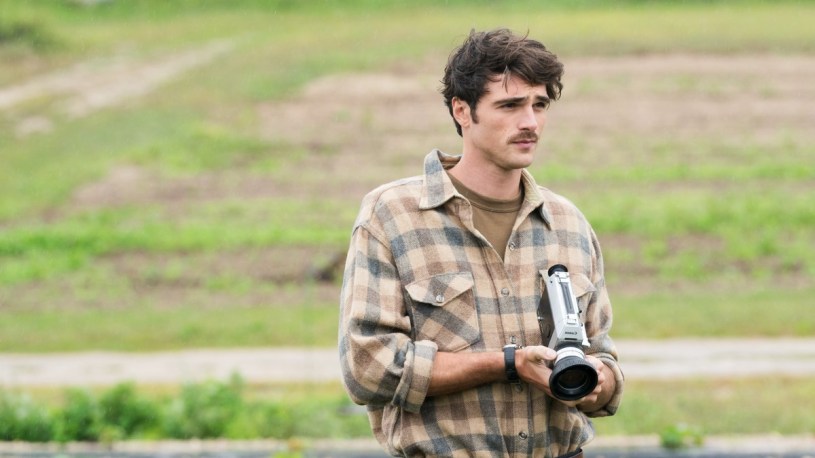
Oh, Canada is a film laced with parallels. Paul Schrader’s latest – released in the States in 2024 but now making its way to British shores – is a two-hander in the finest sense, but with time as its key differentiator instead of the personalities of two leads. What we get is the robust dismantling of a fictional filmmaker, played with coldness by Jacob Elordi and vulnerability by Richard Gere. Not everything works, but the ambition here makes Oh, Canada more than worth the price of admission.
The film follows Leo Fife, an award-winning documentary filmmaker known for his exposés on powerful figures. In his final days before succumbing to illness, his former students (including a spritely, conniving Michael Imperioli) set up for the definitive tell-all on his life. However, it soon emerges that Leo wants a confessional, not a biography, and lays his darkest secrets bare.
It’s a historical epic in many ways, as Schrader flits between Leo’s youth dodging the draft in the 1960s to his present s an old man no longer willing to hide the past. We find out just how much of his public persona is based on fallacy, and how willing he was to lean into this perception – so much so that even those closest to him are left blindsided.
None are more perplexed than his wife (and former student) Emma, played by Uma Thurman, who forms the emotional core of Oh, Canada. In real-time, we see her process this catastrophic betrayal of trust, even if the film is more interested in its protagonist’s misdeeds than the impact he’s had.
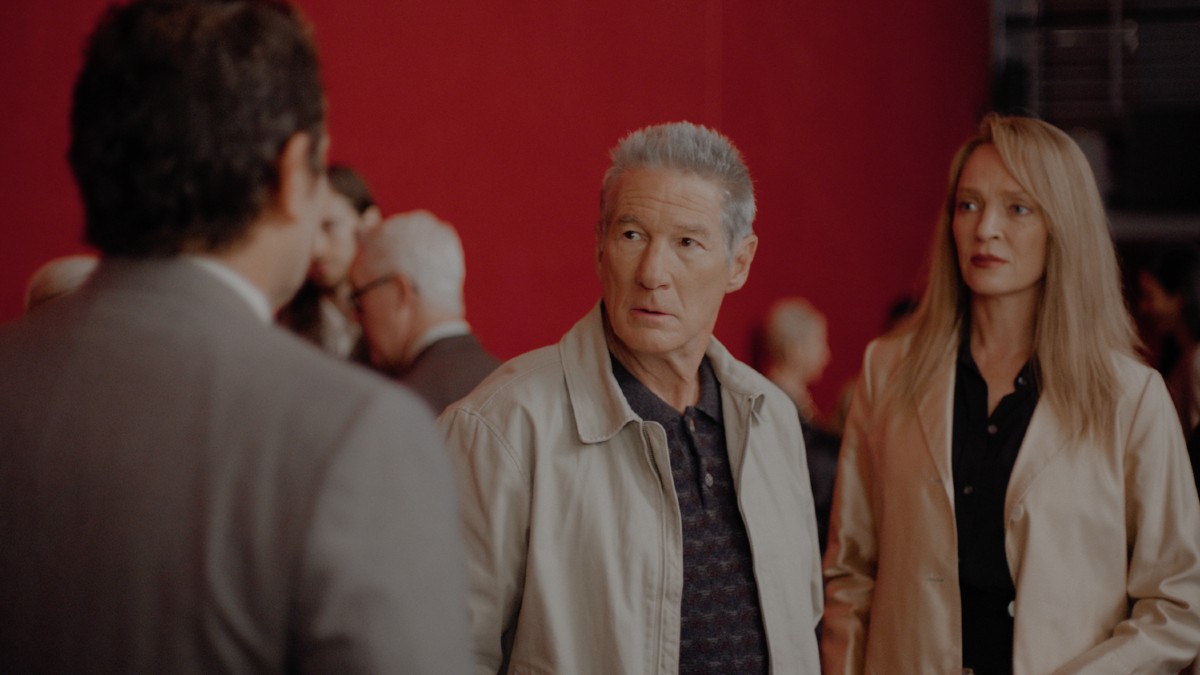
The film is at its best when Elordi is on-screen, lithe and conniving as a young, attractive Leo. There are shades of his Euphoria character Nate here – less brash and explosive, granted, but just as willing to lie, even if he does so quietly. Schrader often switches between Elordi and Gere in the same scene, a powerful device to show Leo looking back on his past – even if Gere doesn’t quite match Elordi’s stature.
You can tell that Oh, Canada is based on a book, because similar to other literary adaptions like Gone Girl, it doesn’t always follow the cinematic grammar you’d expect. There’s a voiceover (presumably) from Leo’s estranged son Cornel (played briefly by Zach Shaffer) that occasionally feels like an exposition vehicle, and Schrader’s flitting between time periods and repeated scenes at points feels laboured.
But the kernel of an interesting message is clearly here – it’s a very modern dismantling of a fictional public figure, one handled by the media rather than his own exposure. That’s arguably where Oh, Canada has the most to say – not about the bad behaviour of its lead, but the way in which these truths come out. Imperioli’s character Malcolm is central to this idea, sowing the seeds of doubt and even breaching journalistic ethics, but the film never leans into unpacking the ethics of documentary filmmaking.
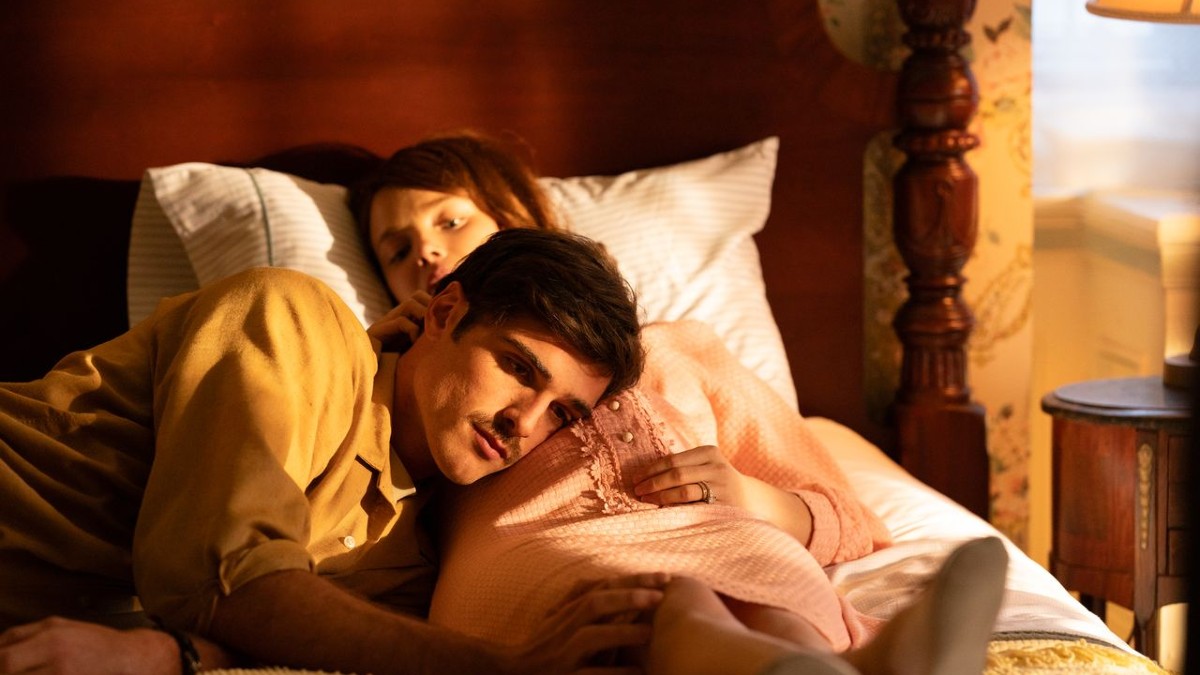
Ultimately, Oh, Canada isn’t a film that will be remembered for its story – others like the The Talented Mr. Ripley have covered such material before – but rather its unique technical execution. Having Gere and Elordi simultaneously play the same character across eras is a bold move, and one that gives the film its edge. But for how novel this directorial choice is, Schrader seems to have overlooked the mechanics of why the story is worth telling.
What Leo does shouldn’t be the hook – instead, the hints at why, or even what if, seem much more fruitful.
★★★
Oh, Canada is out now in the UK and Ireland on digital platforms.

