

Russ Meyer’s Motorpsycho is arguably more interesting as a case study than it is a film. The cinematic gems it has gone on to inspire practically seep out of the screen, and it has the kind of singular, wacky directorial voice only found in the Corman era of exploitation films. It certainly won’t be groundbreaking to modern audiences, but it’s undeniably easygoing fun.
The film stars Alex Rocco (better known from The Godfather) as Cory Maddox, a vet whose wife is abducted and assaulted by a ravenous group of violent bikers. Alongside Haji’s Ruby Bonner, another victim of the gang who escaped their clutches, they traverse the American wilderness to hunt them down and get revenge.

It’s a simple plot, and that’s because narrative really isn’t at the core of Motorpsycho. I mean, it’s an exploitation film, after all – it’s a lot more interested in showing off its supermodel cast and scenery-chewing performances. Initially, this philosophy works fairly well. The film thrusts its setup upon us, with extended scenes of the gang setting off to raise hell and cause trouble, all accompanied by a roaring jazz score. It’s hard to take seriously despite the heinous nature of their actions, all underpinned by a veneer of knowing silliness in Meyer’s direction.
This imbues Motorpsycho with an almost feverish tone, laden with steamy sex scenes, deplorable antagonists, and fleeting glimmers of pulpy action. It’s hard not to be enveloped in the fervour: Meyer paces it so rapidly that there’s always some kind of chase or confrontation taking place, usually backed by an up-tempo drum beat not dissimilar from the lighter touches of Angelo Badalamenti’s Twin Peaks score. It’s brazenly unsubtle with its innuendo, completely of its time, and occasionally creaky with some of its clearly outdated gender politics.

That said, the character of Ruby, played by the frequent Meyer collaborator Haji, is surprisingly well written. Towards the end of the film – a section we’ll get onto shortly – she opens up to Cory about her upbringing and the treatment she’s received from men throughout her life. It’s a surprisingly poignant portrayal of contemporary misogyny that speaks to a wider, less realised feminism than is usually seen in other sexploitation films of the time.
Its main antagonist, Brahmin, is an equally intriguing character whose presentation speaks a lot to unrealised PTSD and mental health conditions of the time. Played with suitable verve by Steve Oliver, he makes frequent references to “commies” and military terminology that denotes him as a Korean War veteran, giving the film a veneer of messaging behind the lack of welfare on offer for veterans at the time. It muddies what is otherwise a very simple black-and-white scale of morality, and while Brahmin is clearly more layered than most 60s baddies, it’s hard not to wince at his overall depravity.
The same treatment isn’t afforded to Cory, which is a shame. In fact, given the film’s entire setup is Cory’s mission to get revenge on the bikers for assaulting his wife, Meyer commits the cardinal sin of presenting him as both an unfaithful husband and also never showing us their reunion after this crusade – which is baffling, to say the least.
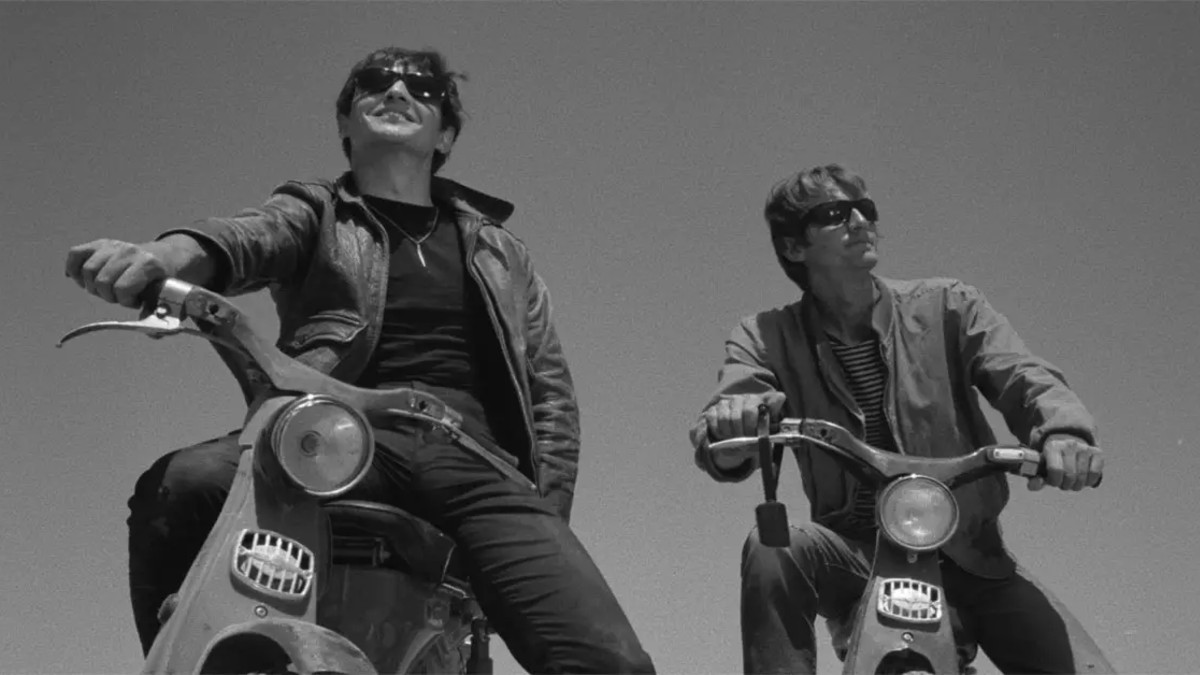
However, the biggest flaw with Motorpsycho is its pacing, which leaves the film on a really uneven keel. It’s a short film in any case, clocking in at just under 75 minutes, but after a ceaselessly rapid first 40 minutes, drags to a total halt once Cory and Ruby actually undertake their quest. There are extended, fruitless scenes of them trawling through desert or lounging around, which feels incongruent given how speedily the film establishes its complicating action. All of the vibrance and pulpiness of its opening acts completely wither away – and without those quirks, all that’s left is a revenge story that’s as rote as it is thin.
That said, I can absolutely see Motorpsycho being a fun watch on a summer evening with a few drinks. This new 4K restoration, scanned from the original negatives by the Museum of Modern Art, looks great in motion and the sheer silliness of Meyer’s direction is resonant enough to get you through a meandering third act. More than anything, though, it’s left me intrigued to see more of Meyer’s work, because warts and all, there’s clearly an artistic voice behind Motorpsycho.
★★★
Motorpsycho releases on 4K and Blu-Ray from Severin Films on April 28, 2025. You can learn more here.
This site contains product affiliate links. We may receive a commission if you make a purchase after clicking on one of these links.

