
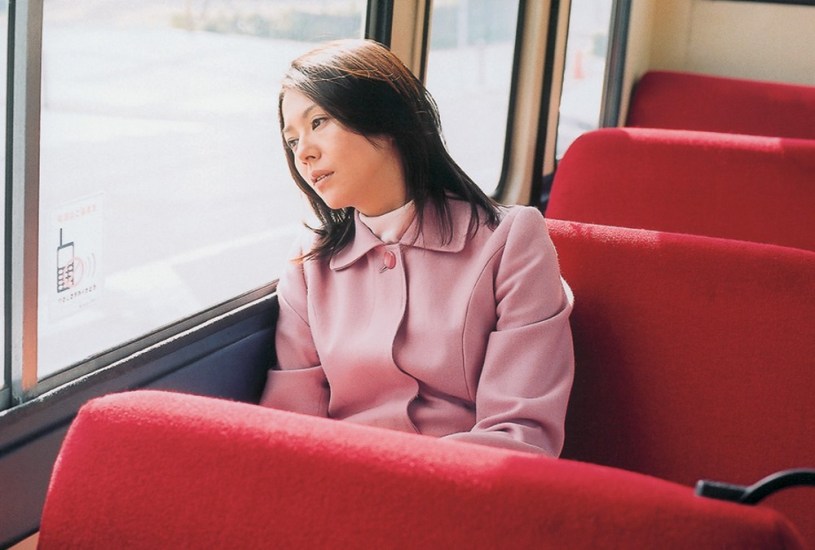
Family dynamics, particularly in films, can be strange. From Parasite to The Texas Chain Saw Massacre, we’ve seen the whole range of unconventional family units – but Hanging Garden from Toshiaki Toyoda is something else entirely. While its premise lacks the depth to carry the film to an engaging conclusion, the weight of its unique characterisation makes this worth watching.
Hanging Garden follows the Kyobashi family, a seemingly regular troupe living in suburban Japan. What makes them unique, however, is their joint pact of truthfulness at all costs. This doesn’t just mean owning up if you forgot to turn off an errant light, though. Instead, the parents tell their children exactly where they were conceived and the children are forthcoming with their own fledgling romances and desires. It even spreads to their maternal grandmother, who asks the husband, Takashi (Itsuji Itao), about his preference of ‘adult’ material.
Of course, it’s not even as simple as just that dysfunctional premise. Instead, the film’s first hour follows each of the main family members, vignette style, as they go about their daily lives. Here, we see that all of this openness isn’t quite reflective of the truth: there are affairs, illnesses, and even hints at abusive power dynamics that they’re all keeping from one another. It’s fascinating not only to find out what these secrets are, but how things hit the fan when inevitably the fallacy of truth all comes tumbling down.
Toyoda’s film is a dismantling of even the most unusual of family dynamics; proof that no amount of purported openness will ever overcome the innate human need for a secret or two. There’s a real clarity to his direction that captures the sterile nature of suburban life: pristine environments, steady camerawork, and the handling of topics not dissimilar to Pedro Almodóvar’s work in the same time period. The second act in particular is a roaring success as we don’t just learn what secrets each character is hiding, but why they operate an ethos of raw honesty in the first place.
This structure is initially Hanging Garden‘s greatest strength: setting up this bizarre state of affairs, then entirely flipping the script to show us how false it all is. That said, there’s always a nagging concern of not knowing what this is all leading to. There are confrontations, yes, but Hanging Garden never quite feels like it sticks the landing in terms of its conclusions. The increased strain and simmering resentment that Toyoda tackles towards the end are interesting from a character perspective, yes, but they do little to develop the narrative.
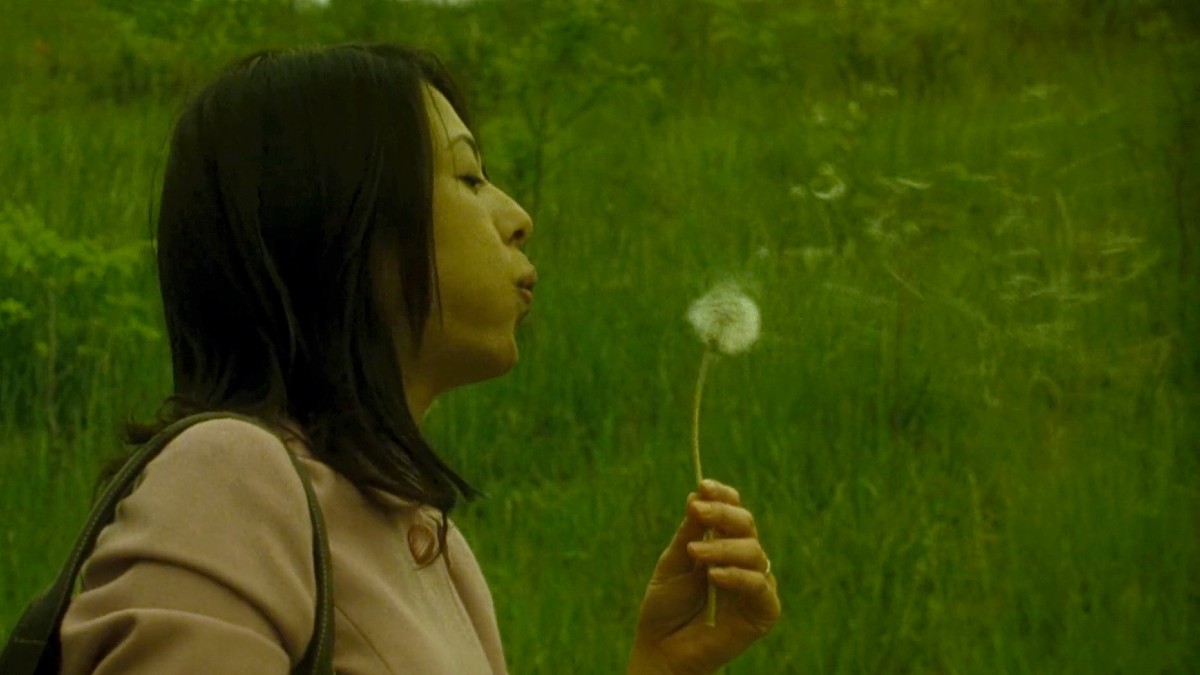
There are two particularly outstanding performances here, both of which tie into the film’s wider themes: Michiyo Ookusu as Satoko, the grandmother, and Sonim as Mina, the son’s tutor. It’s no coincidence that they’re also the two main characters outside of the core family dynamic: they’re given license to eschew and implicitly establish these rules, and even manipulate them to their will. Mina’s character is particularly well written, and her relationships with both Takashi and the son, Ko (Masahiro Hirota), make for some of Hanging Garden‘s best sequences.
Ultimately, Hanging Garden is a film about resentment, control, and the fragility of the family unit. As Toyoda so deftly hides his Gone Girl-style masterstroke, you’re left with a much clearer picture of the film’s message and the nihilism behind it. Not everything lands, but it’s a film family you’ll remember for a while.
★★★½
Hanging Garden is out now on DVD and Blu-ray from Third Window Films.
 thatfilmbloguk