

Conveying the specificities of British culture is no easy job for a revenge film. We’re a nation laced with minutiae, and finding a way to capture those cultural quirks while still weaving a compelling, threatening, violent story is particularly difficult. Fortunately, it’s a task that Restless and its director Jed Hart are more than up to.
Set in the suburbs of northern England, Restless follows Nicky (Lyndsey Marshal), a working-class nurse living in a small council house. Her entire way of life is upended when new neighbours move into her deceased mother’s house next door, led by the fearsome and domineering Deano (Aston McAuley). As their parties get increasingly loud and their pushback against Nicky’s protests more menacing, it all comes to a boiling point.
The first visual touchstone in Restless‘ opening scene is a fun nod to the grave-digging scene in Scorsese’s Goodfellas. Hart knows exactly what he’s doing with this, because despite this tease, Restless is nothing like the iconic 1990 crime classic. It often flirts with a long-simmering burst of violence; Nicky living out the long-repressed anger that burns inside her. But Restless is cleverer than that, instead toying with those ideas to the point where you don’t even want it all to end in grisly fashion.
It’s in no small part thanks to some really good character work, anchored by convincing lead performances from Marshal and McAuley. They’re the perfect foil to one another: Nicky is timid and demure, completely reluctant to speak to Deano head-on but equally unwilling to go through the red tape of contacting the council over their excessive noise.

On the contrary, Deano preys upon her reluctance by using his boorish figure and intimidating presence to shut her down and scare her into compliance. It’s a really engaging dynamic that often leaves you forgetting that there’s meant to be a big, bold resolution to this at all.
The quintessential Britishness is one of the touchstones that makes Restless so unique. It captures not just the veneer of working class lives, but also the realities that people face, such as the police paying little attention to Nicky’s valid concerns about the noise. It also sprinkles some dry humour into what is otherwise a pretty bleak narrative, and has the classic British notion of waiting until there’s no other choice before addressing the problem head-on. For viewers in the UK, you’ll be able to not only sympathise with Nicky, but recognise the environment she’s within.
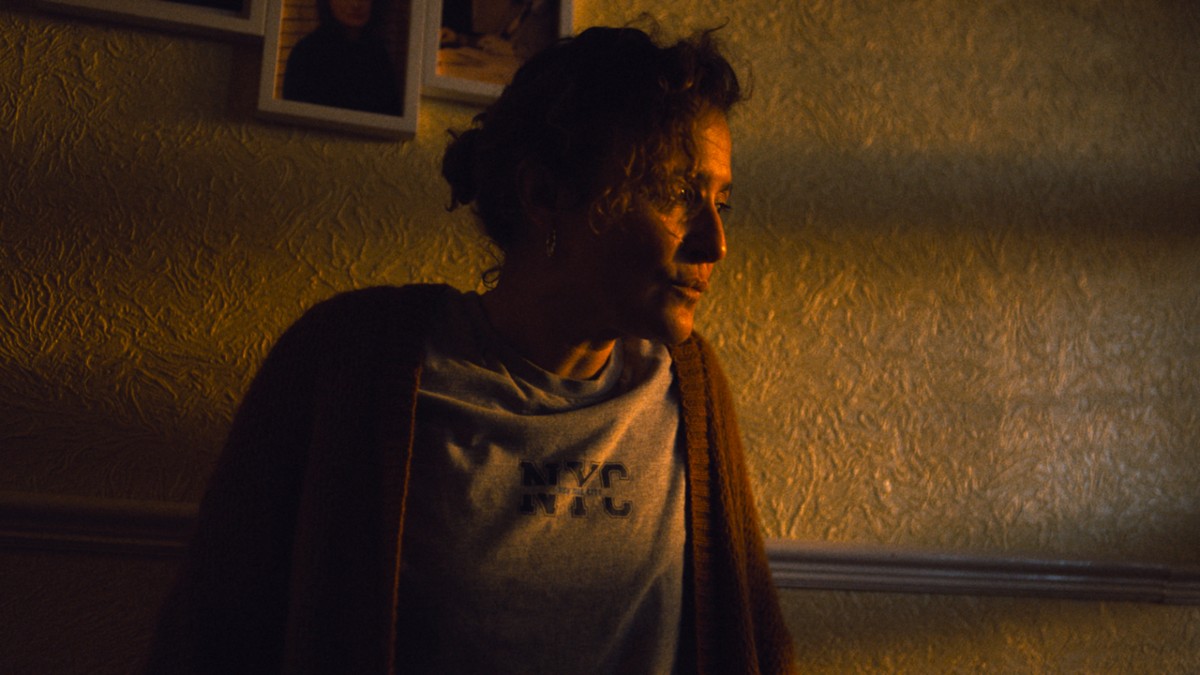
Jed Hart’s script is also clever enough to remove some of the clear black-and-white morality issues in this cat-and-mouse rivalry. While Deano is clearly in the wrong, Nicky is a surprisingly layered character: some of the ideas she has for taking revenge are increasingly depraved, and you begin to wonder what her life was like prior that led to her even having such ideas. She’s also not above using people to get what she wants, building relationships with suitors just for the sake of a good night’s sleep. Deano’s character doesn’t get that same level of texture, however, which feels like a missed opportunity.
This all helps to make Restless so much more than the sum of its parts. It’s not just a rote revenge film; it subverts how you expect the narrative to unfold, and does so with the moral grey areas that leave you invested throughout. While some might find its ending frustrating, it’s hard to deny Jed Hart the right to end the drama on his own terms. Restless is a very British revenge thriller, and is both authentic and daring in its execution.
★★★½
Restless releases in British cinemas on April 4, 2025.
 thatfilmbloguk