
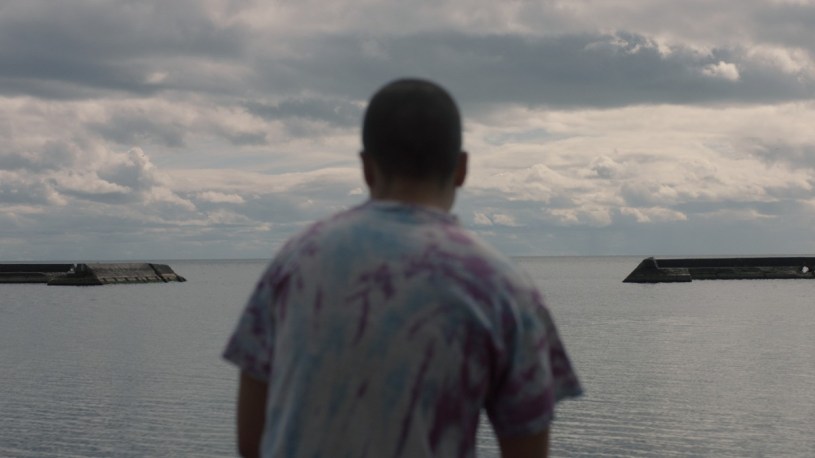
“Fight for your voice, if that’s what you love.”
While a lot of trans dramas focus on the daily challenges of the transgender community – from changes in parenting approach to the horrors of hate crime – some of the less overt considerations are just as valuable to explore. Co-written and directed by J Stevens, Really Happy Someday does exactly that, examining the difficulty of changing your voice and the impact it can have.
The film follows Z (Breton Lalama, who also co-writes), a stage performer who bombs a crucial audition after struggling to adapt to his new vocal range. What follows is a succession of setbacks, from discriminatory casting calls to failing relationships and a deep-rooted sense of self-loathing. It charts his journey of acceptance and self-development, as he works with a vocal coach to adapt his range while also tackling his own inner demons.
As the title alludes to, Really Happy Someday is a film that highlights the gradual nature of a transition – for Z, how the only thing that will make him truly happy is the passage of time. It covers a fairly lengthy time period to convey some of this process, evident in changing seasons and Z’s constantly evolving hairstyle.
It’s an incredibly frank, almost documentary-like portrayal of the trans experience, showing Z injecting testosterone and bandaging his top surgery scars. Combined with dialogue that often feels very off-the-cuff and genuine chemistry between its roster of characters, it’s hard not to see the veneer of truth just below the surface. It’s anchored by an arresting lead performance of Lalama, who carries so much of the drama and a wide array of emotions.
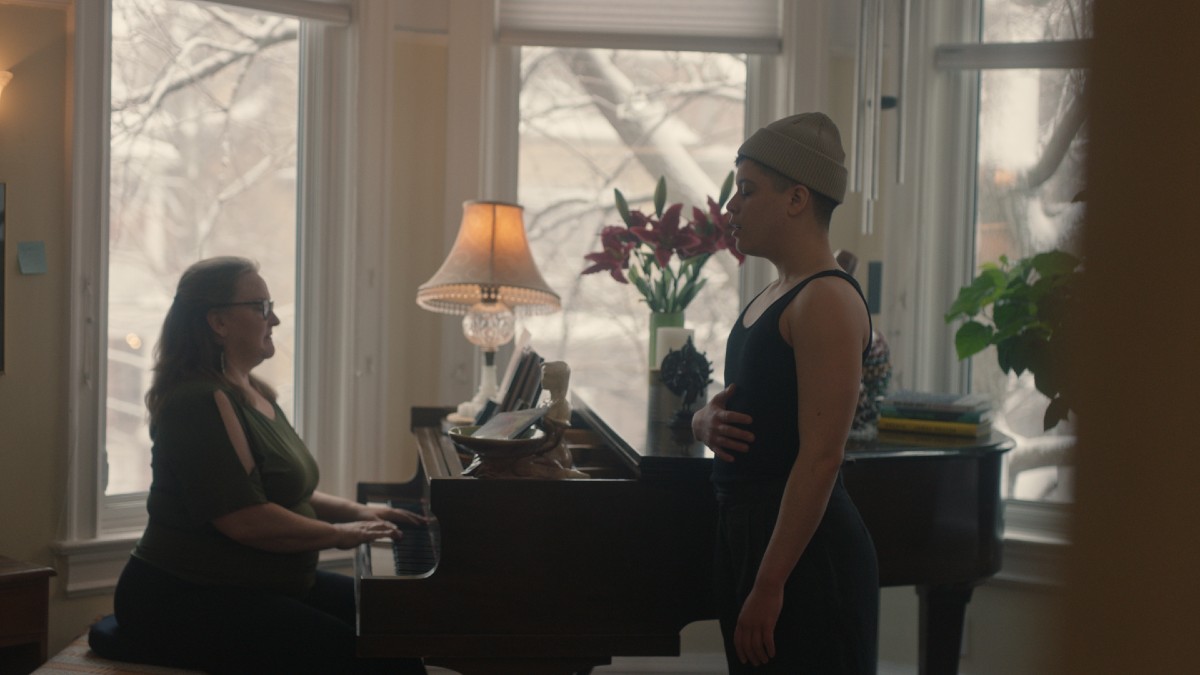
This documentary-style approach is something that filters into J Stevens’ directing style, as well. Scenes often run uninterrupted for minutes on end, an admirable philosophy that gives the performers the space to breathe, reflecting every second of each interaction. It’s particularly important in conveying the broiling frustration that runs through Z’s identity. We see him go from calm and measured to immensely angry and forlorn throughout scenes, and it’s testament to a director-star relationship brimming with mutual trust.
Frustration is the overriding emotion in Really Happy Someday, as Z understandably fumes at having to go to such lengths for his outward appearance and presentation to reflect his identity. It’s an element of trans representation that isn’t explored enough, and gives rise to some moving moments when he makes progress towards his long-term goals.
Given the gradual nature of Z’s ambitions and the barriers he faces in making instant change, though, Really Happy Someday is slightly lacking in intentional pacing and conventional storytelling. For a while it doesn’t seem like there will be any grand narrative thrust or outcome: characters weave in and out of the drama to never return, dialogue is casual and occasionally inconsequential, and the second act is fairly slim on plot development.
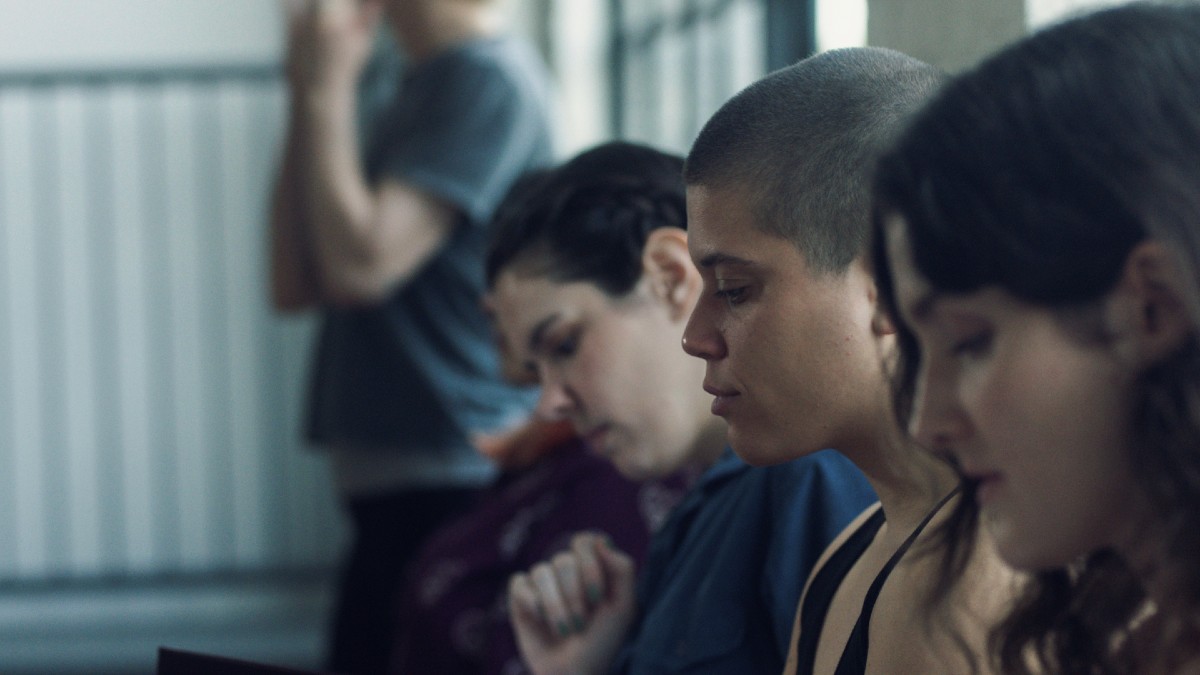
Of course, this is part of the film’s effort to mirror its subject. Just as transition isn’t a linear process, the journey is rarely as satisfying as the destination. However, it results in a film that occasionally feels meandering, without much by way of resolution or narrative depth to really sink your teeth into. By the time the film’s emotional payoff does arrive, it feels more impactful than the journey we’ve been on to reach that point – but no less earned.
None of this is to detract from a drama that is as tender and moving as it is gradual. Anchored by a vulnerably honest lead performance from Lalama, Really Happy Someday openly delves into the minute details of the trans experience without sugar-coating anything or providing false hope of an ‘easy fix’.
Instead, as its title suggests, it reflects that this journey to happiness and self-acceptance has no clear-cut ending – and like the film, may not be as instantly gratifying as you’d like.
★★★
Really Happy Someday has its UK Premiere at the BFI Flare Festival on March 22, 2025. It also screens on March 23, with limited tickets available here.
 thatfilmbloguk