

As an ardent advocate of physical media, I’ve always seen 4K films as the ultimate way of watching. Whether that be a 4K Blu-Ray, UHD stream on Netflix and similar, or 4K restorations in cinema, it’s quietly being pushed as the de facto standard for film fans.
You only need to take a look at how prominent 4K UHD is in the physical media space to see how dominant the format is becoming. In March 2024, expansive re-releases of James Cameron’s Avatar films landed on 4K – notably, not streaming, DVD, or regular Blu-Ray. Retailing at a sliver under £40 each, the sets come with hours of new special features, more deleted scenes, and HDR versions with Dolby Atmos audio. For sure, it’s the best way to experience these films, but releasing all of this new content solely on 4K is proof enough that it’s quietly becoming the dominant physical medium.

In fact, this seems to be Disney’s new strategy for physical media releases. In the past 12 months we’ve seen the much-anticipated release of Disney+ shows like The Mandalorian and WandaVision, both of which are solely releasing on 4K steelbook sets. Then you’ve got new 4K restorations of James Cameron’s Aliens and True Lies, as well as the de facto 4K editions of new releases coming to physical.
All of this is to say that 4K is increasingly unavoidable, and if you’ve already got a fairly solid home cinema and physical media collection, a logical next step for upgrading. For me, though, this is where the problem arises. Just over six months ago I took that plunge, buying a 4K LG monitor, and more recently a 4K Bush television. Having toiled over settings, testing 4K UHD discs and streaming, I just still don’t quite get it, though.
No matter what I choose to put on, nothing seems to visually shimmer as I imagine the 4K medium should, occasionally looking grainy and often looking no better than a 1080p stream or regular Blu-Ray. In fact, there have only been a handful of times where I’ve really found 4K to shine as I’m sure it’s intended to. Funnily enough, both were streaming on Netflix: first for the so-so football film The Beautiful Game, and then for Zack Snyder’s fatally flawed Rebel Moon – Part Two: The Scargiver. In each instance the picture looked incredibly clear, gleaming and really popping. But every other time I’ve sampled 4K, I’ve been left disappointed.

Of course, I’m perfectly aware this is likely a me problem. My 4K TV isn’t a proper top-of-the-range device, I use glasses to watch television, and I could well be sitting too far from (or even too close to) the screen.
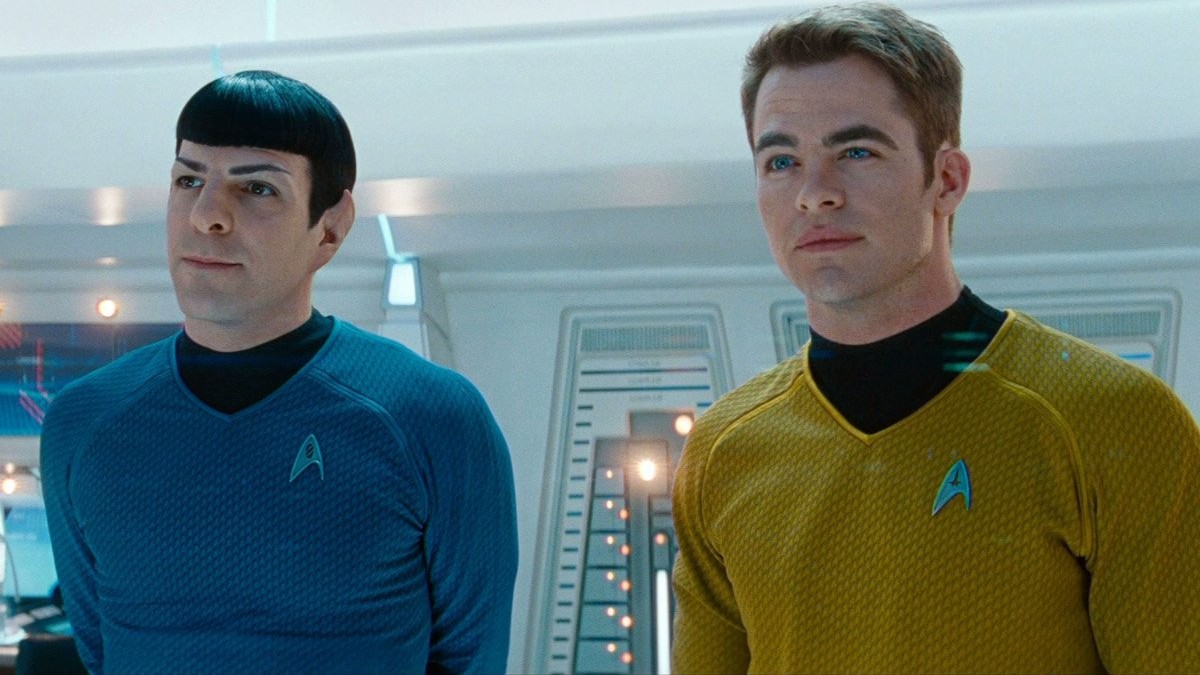
That said, I vividly remember the staggering uplift when I transitioned from DVD and SD streaming to Blu-Ray for the first time. It was 2013’s Star Trek Into Darkness, a sequel that while woefully underbaked compared to the perky 2009 reboot, looked utterly gorgeous. It wasn’t even on a flashy TV: just a 23-inch set with a £50 Blu-Ray player, purchased at the same time. But it was magnificent to look at: everything was crisp, the colours absolutely popped, and it instantly changed my expectations of how a film could look outside of a cinema projection.
Perhaps it’s whimsy and nostalgia for times long past, but I don’t get that same vim when I load up a 4K Blu-Ray. Sure, there have been times it looked good, but the step up from regular Blu-Ray is negligible to that eye-widening experience I had in 2013.
But lamenting this filmic loss of innocence isn’t the point I’m trying to make here. You see, I really want to be sold on 4K. I want to buy the snazziest collector’s editions of my favourite films, salivating over the upgraded quality and premium packaging. But for the current price point and perceived lack of tangible difference, it just seems impossible.
We all know that physical media appears to be trundling along the mortal coil, likely on its last legs as a major facet of the industry. Those extortionate 4K prices are probably the only way distributors break even on those releases, given the comparative lack of units shipped. Not that I’m despairing for the big media companies: instead, I just recognise that when the well dries up with regular DVD and Blu-Ray releases, leaning into the existing collector’s market is the last throw of the dice.
The last thing I want is physical media to die out—I’ve been collecting Blu-Rays for well over a decade now, and treasure few things more than my collection—but I’m not sure this ubiquitous focus on 4K is the way to go. When the only way to buy Obi-Wan Kenobi physically is in a 4K steelbook (no matter whether it’s a precursor to landing on other formats or not), it’s inevitably going to alienate those either outside of that ecosystem or unconvinced by its value.
For this small slice of the film-watching experience to continue, something has to give. Whether it’s a more reasonable price for these 4K releases, egalitarian releasing across or formats, or just a more pronounced difference in image quality, 4K as it stands is a train I’m thinking about getting on, but can’t quite muster up the gumption to step on with both feet.
 thatfilmbloguk